
F&A Scarcella Transport
2 min read
What does interstate freight cost? The six things a quote is actually made of
The six factors that actually set an interstate freight quote — distance, space, temperature, DG, timing and access — explained without the jargon.
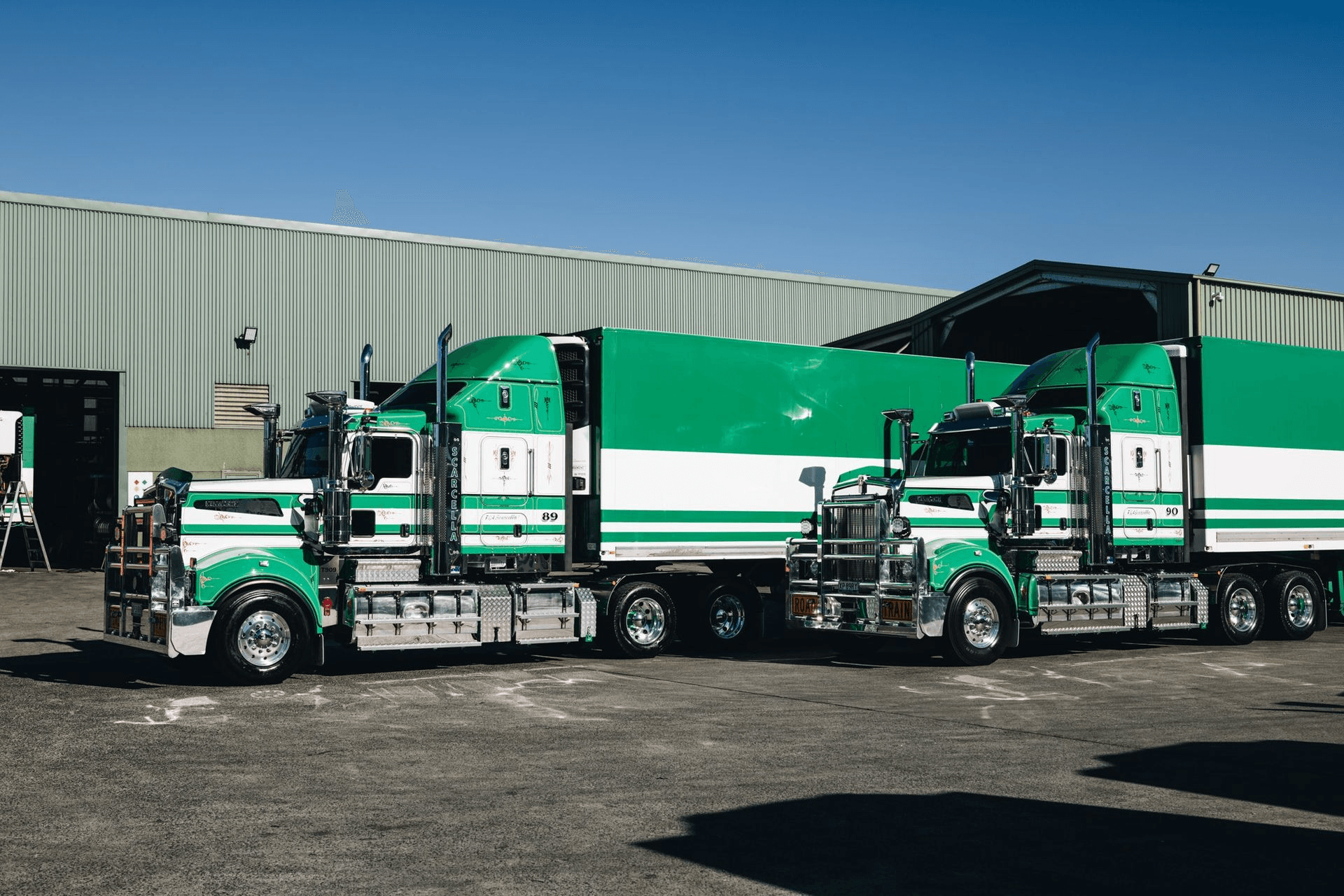
Ask three carriers to quote the same load and you'll get three different numbers — and usually no explanation. Here's what actually drives an interstate freight quote, so you can compare quotes properly and avoid the surprises that show up as surcharges later.
(We deliberately don't publish rate tables — every lane and load is different, and a number without the details below would be a guess. What we will do is explain exactly what you're paying for.)
1. The lane — and whether the carrier actually runs it
Distance sets the base, but scheduled lanes price better than one-offs. A carrier running Sydney–Darwin twice a week, every week, prices that lane off a real operation. A carrier who has to work out how to get your freight there prices in their uncertainty.
2. Space and weight — whichever bites first
Freight is charged on the space it occupies or the weight it puts on the axles, whichever runs out first. Accurate dimensions and weights get you an accurate quote; "roughly a pallet" gets you a margin for error that you pay for.
3. Temperature
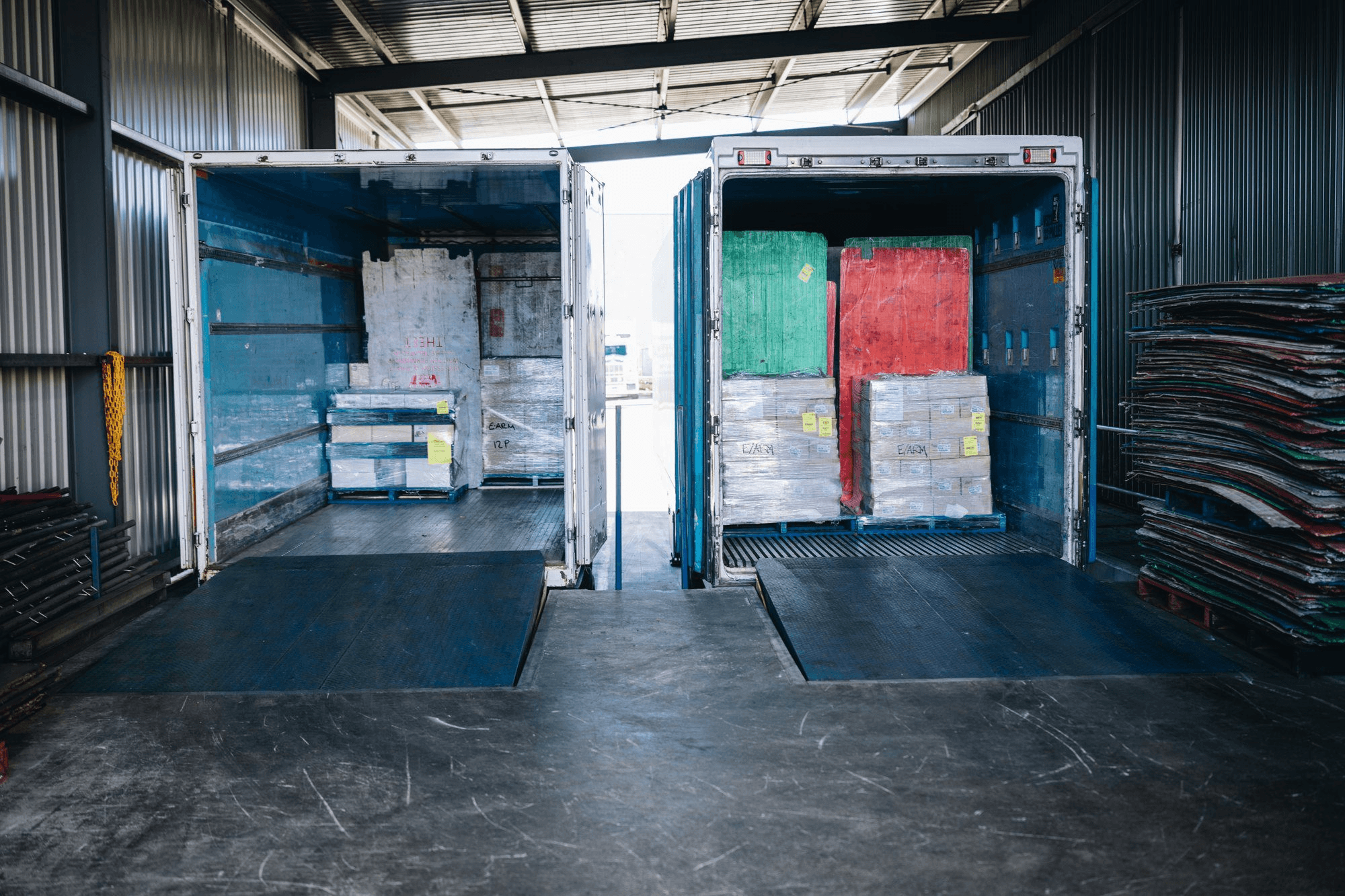
Refrigerated freight costs more than ambient — the trailer, the fuel to run the unit, and the discipline to keep the cold chain unbroken are all real costs. What matters is that "refrigerated" means continuously refrigerated, not refrigerated-most-of-the-way.
4. Dangerous goods
DG carriage requires authorisation, licensed drivers, placarding and segregation rules. If your freight is dangerous goods, say so at quote stage — an accurate DG declaration protects the price as well as the load.
5. Timing
A departure you can book onto is cheaper than a truck summoned for you. If your freight can ride a scheduled service — like our Tuesday and Friday Darwin express — you're sharing a linehaul that's running anyway.
6. Access at both ends
Dock-to-dock is the clean case. Tail-lift deliveries, remote sites, and tight access all add handling — legitimate costs, but they should be visible on the quote, not discovered on the invoice.
How to get a quote that holds
Give the carrier the six things above — lane, dimensions and weight, temperature, DG status, timing, access — and a good operator will give you a number that doesn't move. Leave any of them vague and you've bought a variable.
or call (02) 4626 6661 and talk it through with the depot. See our interstate freight services.